

News
Note that the releases are accurate at the time of publication but may be subject to change without notice
ENERGY EFFICIENCY IN DRIVE TECHNOLOGY From Measurement to Action
 PDF Version (PDF:291.7 KB)
In 2024, industrial electricity consumption in Germany stood at around 217 TWh/year. Electric and electrohydraulic drives account for 46% of grid power. Around 70% of this consumption is due to motor-driven systems, such as pumps, fans and compressors, which are among the most energy-intensive applications. Meanwhile, rising energy costs and regulatory requirements, such as the Energy Efficiency Act (EnEfG), are increasing the demand for energy-efficient retrofit solutions. Modern variable-frequency drives, when used with highly efficient motors, can deliver significant energy savings, especially during partial-load operation. The ZVEI estimates that energy-efficient drive technology could deliver EU-wide savings of 121.5 TWh/year.
In practice, it is evident that the potential for savings often lies not in redesigning systems, but in improving existing machinery. A robust data foundation is crucial. Mitsubishi Electric therefore takes a systematic approach to collecting load and energy profiles. The aim is to visualise real operating conditions and derive well-founded measures from them.
Clear patterns often emerge, particularly in existing systems. Drives often operate for long periods under partial load or at idle without energy optimisation. It is these operating conditions that influence efficiency more significantly than the rated power of individual components.
Retrofitting is a technically and economically sound step
Electrohydraulically driven systems are one of the most effective ways of improving efficiency in existing facilities, as they are often operated at constant speeds while power demand fluctuates significantly during actual operation. In traditional systems, pumps often run at a constant speed while the flow rate is controlled via valves. This results in considerable energy losses, particularly under partial load or when idling. Retrofitting with variable frequency drives enables the motor speed to be adjusted as required, ensuring that the pump only delivers the necessary power. This significantly reduces energy consumption, as power consumption in pump systems depends heavily on speed.
In addition, highly efficient motors, such as synchronous reluctance motors, can be used in the electric drive. These motors reduce losses within themselves and, when used with variable frequency drives, can achieve the highest international energy efficiency class for electric motors, IE5.
In retrofits, this creates a two-stage effect: Speed control addresses the largest share of energy savings in the process, while the motor component is further optimized through more efficient technology.
Load peak reduction and energy recovery
In addition to the actual energy savings, there are additional operational benefits. Using modern frequency inverters from Mitsubishi Electric reduces load peaks and recovers energy from braking processes.
These functions directly impact grid stability and the additional energy supply to production processes via regenerative energy. The frequency inverter's fieldbus connection and integration into an energy management system enable energy consumption to be systematically recorded and evaluated, allowing energy efficiency to be continuously improved in accordance with EN50001.
Combining measurement, analysis and targeted modernisation enables compliance with regulatory requirements such as the Energy Efficiency Act, while also making operations more efficient.
Author: Thomas Droth, Head of Industry Solutions
Mitsubishi Electric Europe B.V. Industrial Automation
Sources:
Further information at:
Images
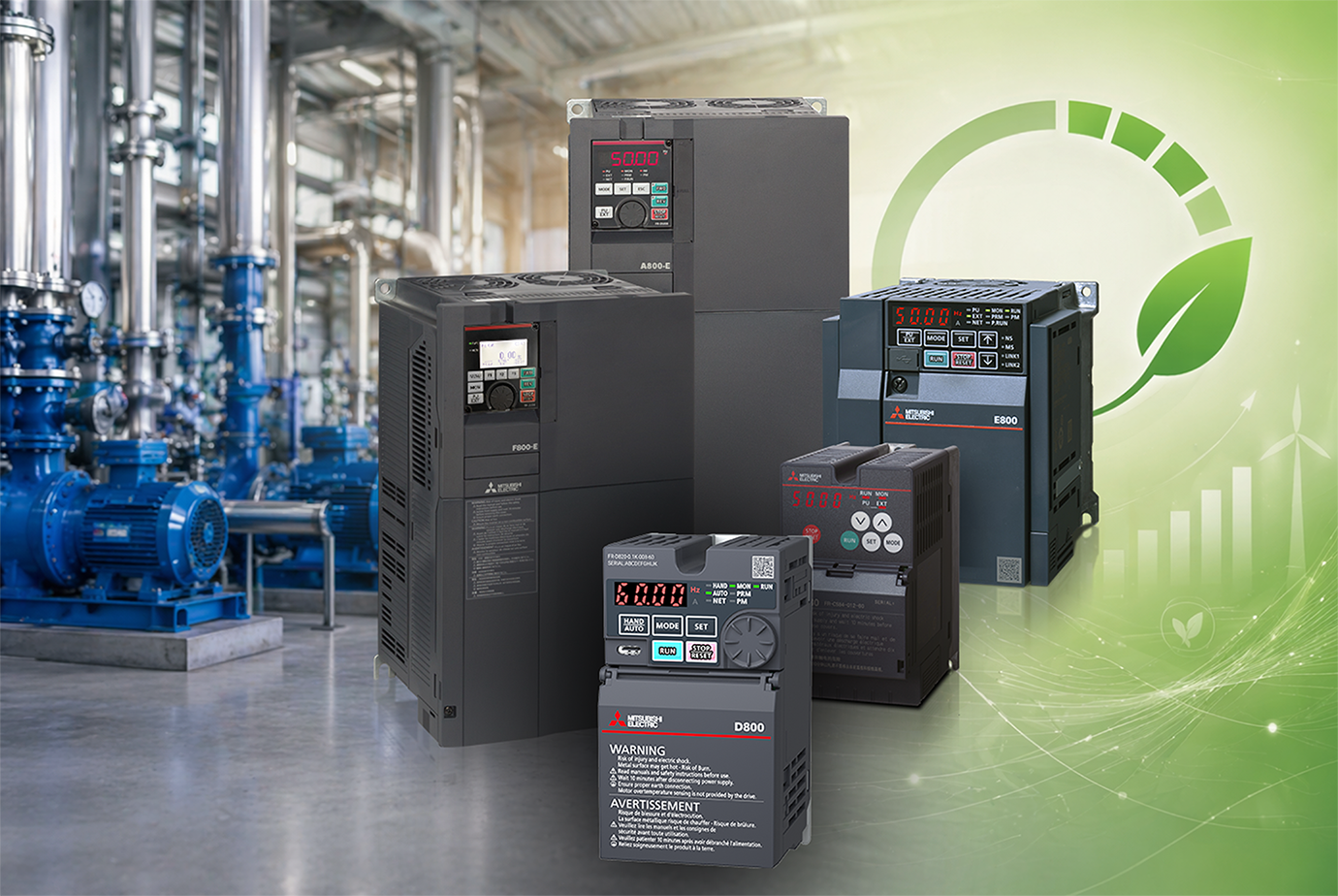
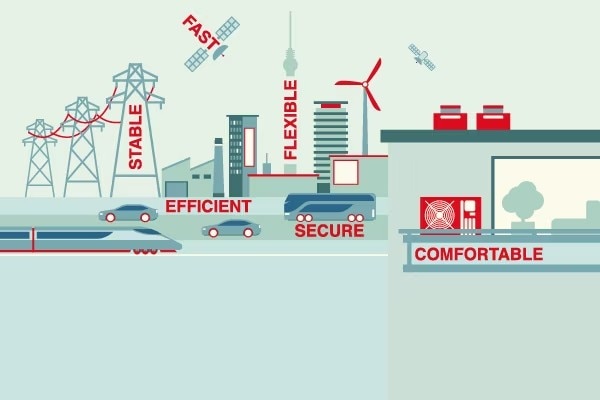
Image 1: Motors account for approximately 45 to 50 percent of energy consumption in industry. Motors account for approximately 45 to 50 percent of energy consumption in industry. Intelligent drive technology
(Source: Mitsubishi Electric/AI-generated background)
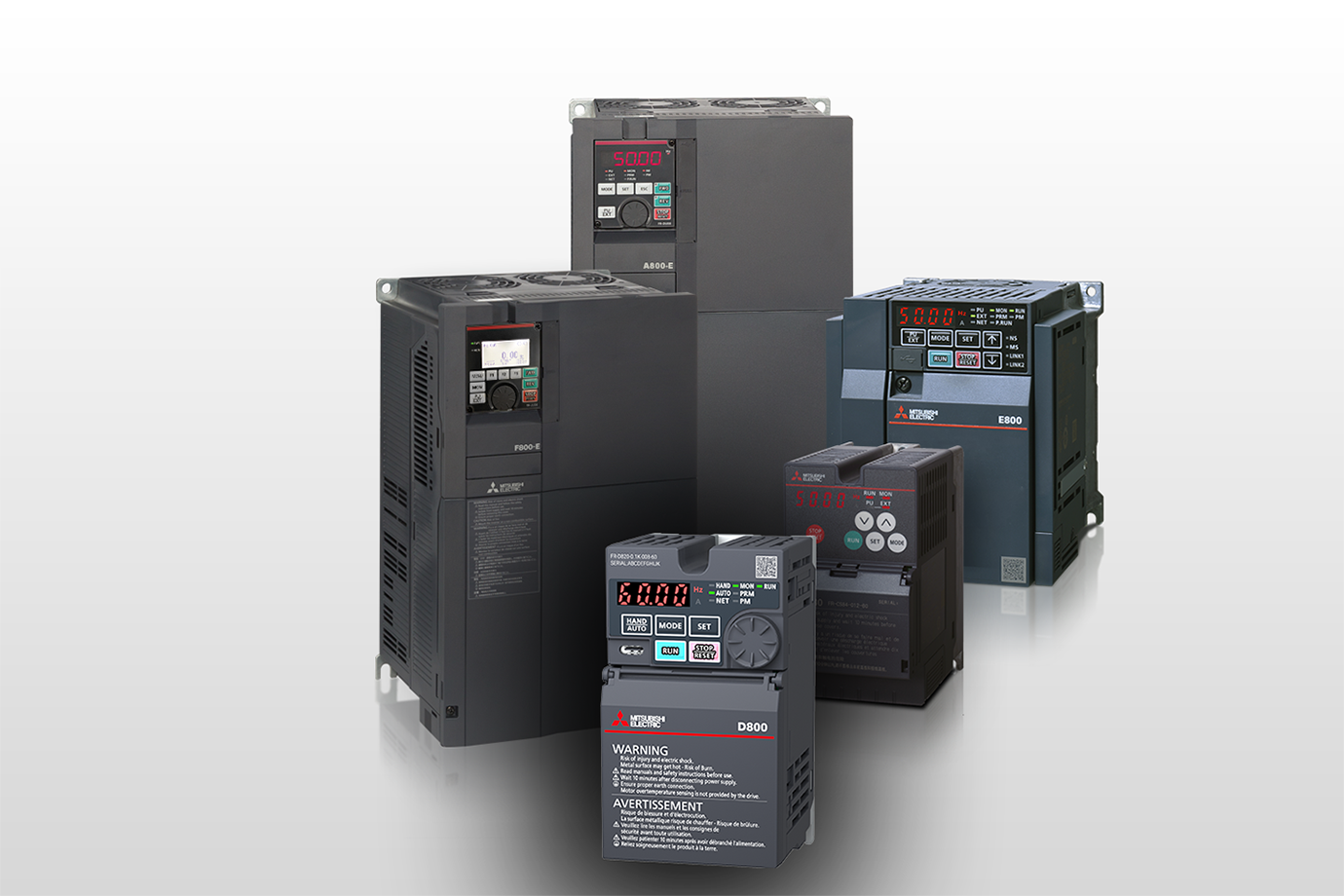
Image 2: By using modern frequency converters from Mitsubishi Electric, load peaks can be reduced and energy recovered from braking processes.
(Source: Mitsubishi Electric)
The image(s) distributed with this press release is/are intended solely for editorial use and is/are subject to copyright. The image(s) may only be used in conjunction with this press release; any other use is prohibited.
About Mitsubishi Electric Corporation
With more than 100 years of experience in providing reliable, high-quality products, Mitsubishi Electric is a globally recognized leader in the manufacture, marketing, and distribution of electrical and electronic equipment for information processing and communications, space development and satellite communications, consumer electronics, industrial technology, energy, mobility and building technology, as well as heating, refrigeration, and air conditioning technology. Guided by “Changes for the Better,” Mitsubishi Electric strives to enrich society through technology. The company reported consolidated revenue of $36.8 billion* at the end of the fiscal year on March 31, 2025. Sales offices, research and development centers, and manufacturing facilities are located in over 30 countries. Mitsubishi Electric has been represented in Germany since 1978 as a branch of Mitsubishi Electric Europe. Mitsubishi Electric Europe is a wholly owned subsidiary of Mitsubishi Electric Corporation in Tokyo.
For more information, please visit www.MitsubishiElectric.com.
*Amounts in U.S. dollars are converted from yen at a rate of ¥150 = US$1, the approximate exchange rate on the Tokyo foreign exchange market as of March 31, 2025.
About the Mitsubishi Electric Factory Automation Business Group
Mitsubishi Electric offers a wide range of automation and processing technologies, including controllers, drive products, power distribution and control products, electrical discharge machining (EDM) machines, electron beam machines, laser processing machines, numerical control (NC) systems, and industrial robots, thereby contributing to higher productivity—and quality—in manufacturing. In addition, extensive service networks around the globe provide direct communication and comprehensive support for customers. The global slogan "Automating the World" illustrates the company’s approach to leveraging automation for the benefit of society by utilizing advanced technologies, sharing expertise, and supporting customers as a trusted partner.
For more information on the history of "Automating the World," please visit:
www.MitsubishiElectric.com/fa/about-us/automating-the-world
Mitsubishi Electric Industrial Automation
Mitsubishi Electric Europe B.V., Industrial Automation is headquartered in Ratingen near Düsseldorf. It is part of Mitsubishi Electric Europe B.V., which has been represented in Germany since 1978 and is a wholly owned subsidiary of Mitsubishi Electric Corporation, Japan. Its mission is to manage sales, service, and support for the Industrial Automation division throughout the DACH region and Benelux.
For more information, visit de-fa.mitsubishielectric.com/fa